A famous song gets you noticed. It rarely gets you remembered.
Every few months a brand pays handsomely for a hit single and assumes the song's fame will rub off. Attention, usually yes. Credit, much less so. After the 2024 Super Bowl, sound-branding agency amp asked 150 viewers to match six brands to the licensed songs in their ads. Only one cleared half: T-Mobile, at 84%. Everyone else landed between 8% and 30%.
The exception is the interesting part. T-Mobile didn't just license a song; it took an eighties classic and rewrote it with its own lyrics about its own service. The music stopped being a guest in the ad and became the message. Kantar's testing points the same way: famous music does lift enjoyment and distinctiveness, but the track shouldn't already be everywhere, or the audience credits somebody else.
«Sonus take»
A licensed hit is a loan. You're paying to borrow an audience's affection for something that belongs to someone else, and when the campaign ends, so does the loan. Famous music can be a spark. It can't be the foundation. If people can hum your song but can't name your brand, you've bought the artist a very expensive advert. The question to ask before signing any licence: what do we still own when this runs out?
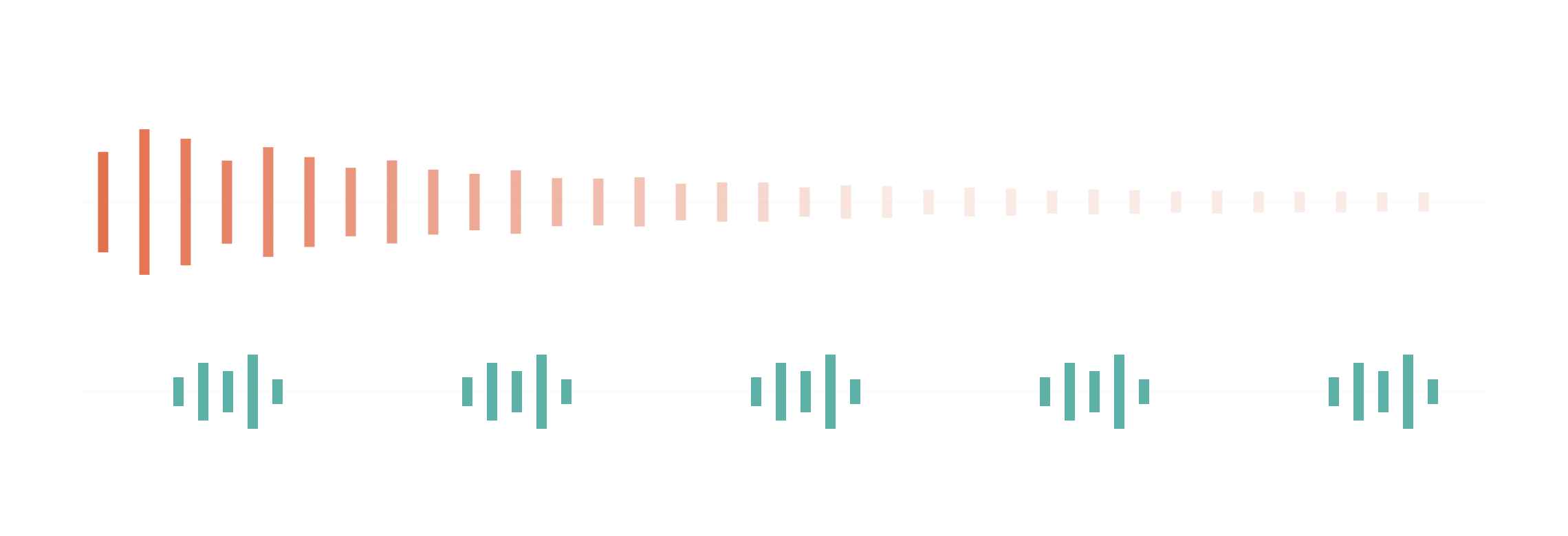
Share of 150 viewers who matched each brand to the licensed song in its campaign, the morning after Super Bowl 2024. Source: amp.
None of this makes licensing a bad idea. It makes it an unmeasured one. Before a track goes to air, play it to a few dozen people with no logo on screen and ask whose it is. If they name the artist, or an entirely different brand, you've learned that for the price of an afternoon instead of a media budget.
A great song borrowed well is a gift. A great song that sends the credit elsewhere is a donation.
Weighing a licensed track for your next campaign? Get in touch.